2 September 2026
What does the oral care pathway mean for your dental care in 2026?
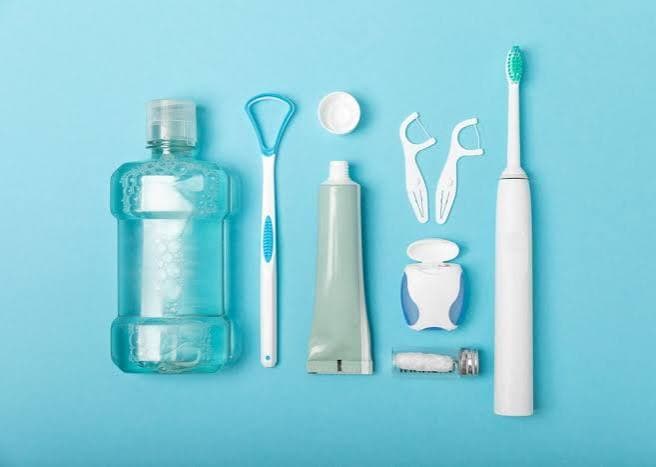
The oral care pathway is a Belgian scheme that links the reimbursement of dental care to regular dental visits. According to RIZIV, it applies automatically to anyone aged 19 or over. You do not need to register for it separately.
The idea behind it is simple: if you had reimbursed dental care in the previous year, you receive better reimbursement for many types of dental care. In 2026, your health insurance fund will therefore check whether you had reimbursed dental care in 2025. The health insurance fund calculates this itself based on the information it has.
What exactly is the oral care pathway?
The oral care pathway is not a treatment and it is not a subscription. It is a reimbursement rule. That rule determines how much your health insurance fund reimburses for certain dental care.
From the age of 19, the amount you pay yourself, the co-payment, may be higher if no reimbursed dental care was registered in the previous calendar year. The co-payment is the part of the official fee that remains for the patient after reimbursement.
Not all dental care falls under this rule in the same way. RIZIV states that consultations, preventive care, orthodontics, periodontology and dental X-rays, among others, are handled differently within reimbursement. Orthodontics is the straightening of teeth and jaws. Periodontology is care for the gums and the supporting tissue around the teeth.
Why does the health insurance fund look at the previous year?
The scheme is intended to encourage regular dental visits. A mouth problem often starts small. Tartar, early cavities or gum inflammation (gingivitis) do not always cause clear symptoms straight away.
During a check-up, the dentist can examine the mouth before pain or damage becomes more serious. That is exactly why preventive care is important. Prevention means helping to avoid problems, for example through check-ups, advice on brushing and removing tartar.
For patients, the key point is this: it concerns reimbursed dental care in the previous calendar year. Not every visit, treatment or insurance works in the same way. Your health insurance fund can check what has been registered in your personal situation.
What changed in 2026 around tartar removal?
One notable change in 2026 concerns tartar removal. Tartar is hardened dental plaque that you can no longer brush away yourself and that can irritate the gums.
According to RIZIV, the previous continuity rule for tartar removal was abolished on 1 June 2026. That rule could halve the reimbursement for tartar removal if there had been no reimbursed dental care in the previous year. That specific part of the scheme has therefore no longer applied since that date.
This does not mean that all reimbursement rules have disappeared. The oral care pathway remains in place for many other types of dental care for adults. That is why it is still useful to know how it works.
What happens during a preventive check-up?
A preventive check-up is usually calm and straightforward. The dentist looks at the teeth, fillings, gums, wear and areas where dental plaque easily builds up. Dental plaque is a soft layer of bacteria on the teeth.
Sometimes tartar is removed. This is not a beauty treatment, but oral care. Tartar can keep gum inflammation going and makes it harder to brush properly in that area.
You may also receive advice on brushing, interdental brushes or dental floss. Interdental brushes are small brushes used to clean between the teeth. Dental floss is thread used to clean narrow spaces between teeth.
You can read more about what preventive dental care may include on the prevention page.
Who is this especially relevant for?
The oral care pathway is mainly something to be aware of from the age of 19. Young people and children have different reimbursement rules for many types of basic care. Adults notice the scheme more quickly in the amount they ultimately pay themselves.
People who have not visited a dentist for a long time may also have questions. That is understandable. Embarrassment, lack of time, fear, moving house or costs can all play a part. A dental visit is not about blame, but about seeing what your mouth needs at that moment.
People with sensitive gums, gums that bleed easily or frequent tartar sometimes benefit from regular follow-up. Bleeding gums can fit with gum inflammation, but only an examination can make clear exactly what is going on.
How can you prepare for questions about reimbursement?
The dentist can explain the dental care being proposed. For the exact reimbursement, it is best to contact your health insurance fund, as it has your personal details. Increased reimbursement can also make a difference. Increased reimbursement is a social status that makes some care cheaper for those who qualify.
It helps to know whether you had reimbursed dental care in the previous calendar year. In 2026, that means 2025. If you had dental care abroad or after an accident at work, this may sometimes also count, but the assessment is made by the health insurance fund.
If in doubt, ask for a clear explanation of the treatment and the difference between the official reimbursement and the amount you pay yourself. This makes dental care less confusing.
Oral care pathway in 2026: what should you remember?
The oral care pathway rewards regular dental visits through better reimbursement for many types of dental care from the age of 19. It is applied automatically, and the health insurance fund looks at reimbursed dental care in the previous calendar year.
Since 1 June 2026, the previous halving of reimbursement for tartar removal when there had been no previous visit has been abolished. For other dental care, however, the oral care pathway remains important.
The practical message is simple: regular oral care helps to spot problems earlier and often makes the reimbursement rules clearer. A healthy mouth does not only start when there is pain.
General information about oral health, not personal advice. Unsure about your own situation? Please make an appointment at the practice.
Back to news