3 September 2026
When is the best time for your child’s first visit to the dentist?
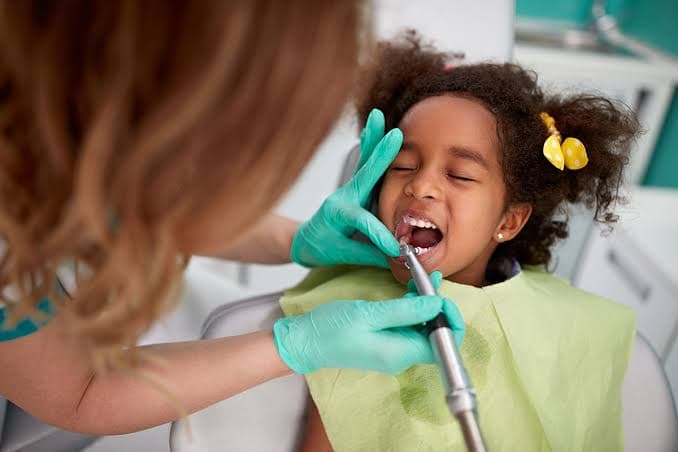
When is the best time for your child’s first visit to the dentist? Many parents only start wondering about this when there is pain, a baby tooth is loose or a mark becomes visible. Yet a first visit is especially helpful when everything is still calm.
With young children, dental care is not only about cavities. It is also about getting used to things, building trust and learning good habits. A child who already knows the dentist’s chair will often come in more calmly later for a check-up or treatment.
When is the best time for your child’s first visit to the dentist?
A good time is when the first teeth have come through, and certainly during the toddler years. Baby teeth are a child’s first teeth. They fall out later, but they are important for chewing, speaking and keeping space for the adult teeth.
A first visit can be short. The dentist can check whether the teeth are coming through well, whether the gums look healthy and whether there are habits that may put strain on the teeth. Examples include often sucking on a bottle with a sweet drink, long-term thumb sucking or frequent snacks.
For children under 19, much routine dental care in Belgium is reimbursed through compulsory health insurance, if the care meets the conditions. The exact reimbursement depends on the treatment, the age and the situation with the health insurance fund. If you are unsure, the health insurance fund can explain exactly what is reimbursed.
Why are baby teeth so important if they fall out anyway?
Baby teeth may seem temporary, but they do important work every day. They help your child bite and chew. They also support the pronunciation of sounds and keep space free for the teeth that come later.
A cavity, also called tooth decay, is damage to the tooth caused by acids that form when bacteria process sugars. In children, tooth decay can grow quickly because baby teeth are smaller and the enamel, the hard outer layer of the tooth, is thinner than in adult teeth.
An inflamed baby tooth can cause pain and make eating difficult. Sometimes a problem with a baby tooth also affects the space for the adult tooth. That is why a baby tooth is not seen as “just a baby tooth”.
What happens during a child’s first dental visit?
At a first visit, the focus is on getting acquainted. Your child can see the chair, look at the light and get used to the mouth mirror. A mouth mirror is a small mirror that the dentist uses to look behind and between the teeth.
The examination is usually simple. The dentist counts the teeth, looks at the gums and checks for plaque. Plaque is a soft layer of bacteria that forms on the teeth and can help cause cavities and gum inflammation.
Sometimes we also discuss how brushing is going at home. Fluoride, a substance in toothpaste that helps make tooth enamel stronger, often comes up then. With young children, the amount of toothpaste is important because they are not always able to spit out properly yet.
You can find more information about dental care for children on our page about children’s dentistry.
How can you prepare your child calmly?
Children quickly sense when an adult is tense. Calm, everyday language helps. You do not need to make a big promise, and you do not need to warn them about pain if there is no reason to do so.
Phrases such as “the dentist is going to count your teeth” or “we’re going to have a look together” are often clear enough. Avoid words that can create fear, such as injection, drill or pain, especially if they are not relevant.
You can practise opening the mouth at home for a few seconds. A cuddly toy or doll can also “go to the dentist”. This makes the visit feel less unfamiliar.
What if your child is afraid?
Being afraid is not unusual. New sounds, a bright light and someone looking in the mouth can make a big impression. In children’s dentistry, we therefore often work step by step.
Sometimes, during the first visit, looking is all that is possible. That can already be valuable. Trust usually grows through repetition and by helping the child understand what is happening.
Parents help by staying calmly present. A child does not have to be brave in the adult sense of the word. Cooperating can also mean sitting in the chair for a moment, looking at the mirror or briefly opening the mouth.
Which signs need extra attention?
Not every mark or bit of pain means there is a big problem. Even so, there are signs where a check-up can be useful. These include pain when eating, sensitivity to cold or heat, a broken tooth, swelling of the gums or a brown or white mark that does not go away.
Mouth breathing may also stand out. Mouth breathing means often breathing through the mouth instead of through the nose. This can make the mouth drier, and a dry mouth offers less protection against plaque.
Teeth grinding also occurs in children. Teeth grinding means sliding or clenching the teeth against each other, often during sleep. It is not always a cause for concern, but if there is wear, pain or headaches, it can be discussed during a check-up.
How can dental care at home stay manageable?
At home, simplicity works best. A fixed brushing routine helps more than long explanations. Brushing before bedtime is important, because there is less saliva at night and saliva helps neutralise acids in the mouth.
Young children still need help. Brushing by themselves is good practice, but an adult often still needs to brush afterwards until a child can do the movements well. This varies from child to child.
Drinks and snacks also play a role. Water is kinder to teeth than soft drinks, fruit juice or sweetened milk drinks. It is not only the amount of sugar that matters, but also how often the teeth come into contact with it.
A first dental visit is therefore not a test for your child. It is a calm start. This helps the dentist become a familiar place, even before there are any complaints.
General information about oral health, not personal advice. Unsure about your own situation? Please make an appointment at the practice.
Back to news